
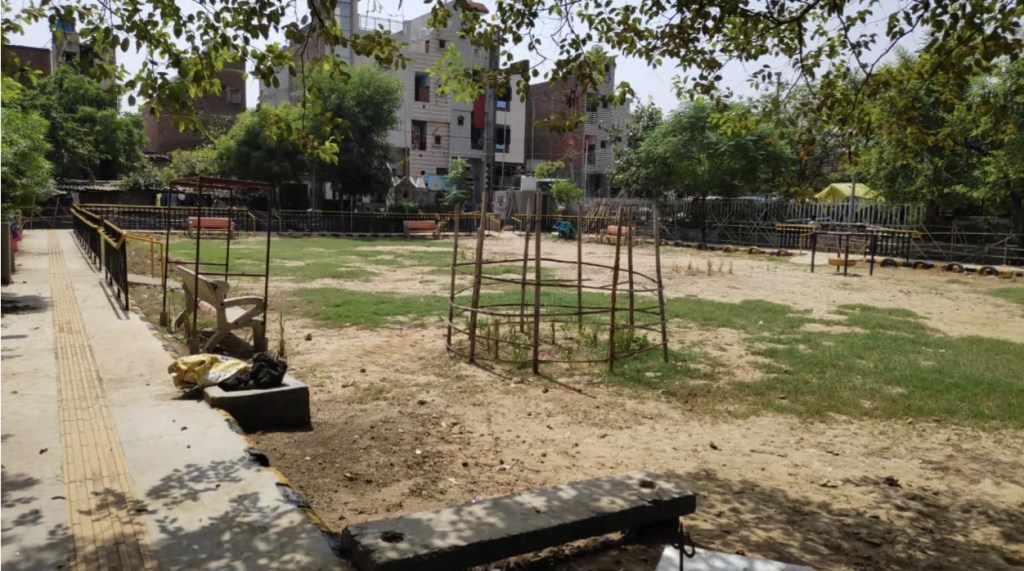
G Block Park, Bakkarwala, Delhi after our first time of interventiom
How do I begin to describe this journey? Perhaps by acknowledging that it has been nothing short of transformative, a year and a half marked by perseverance, challenges, and ultimately, a profound sense of achievement.
In July 2023, I embarked on a mission to rejuvenate G Block Park in Bakkarwala, Delhi, a venture that would test my resolve in ways I could never have anticipated. Bakkarwala is a settlement colony on the outskirts of Delhi, where many people depend on daily wage work and where everyday life is shaped by very immediate concerns. Water, in particular, is a constant challenge. Many residents continue to depend on tankers because they do not have reliable piped water access, and water for the household itself has to be collected, stored and carefully managed.
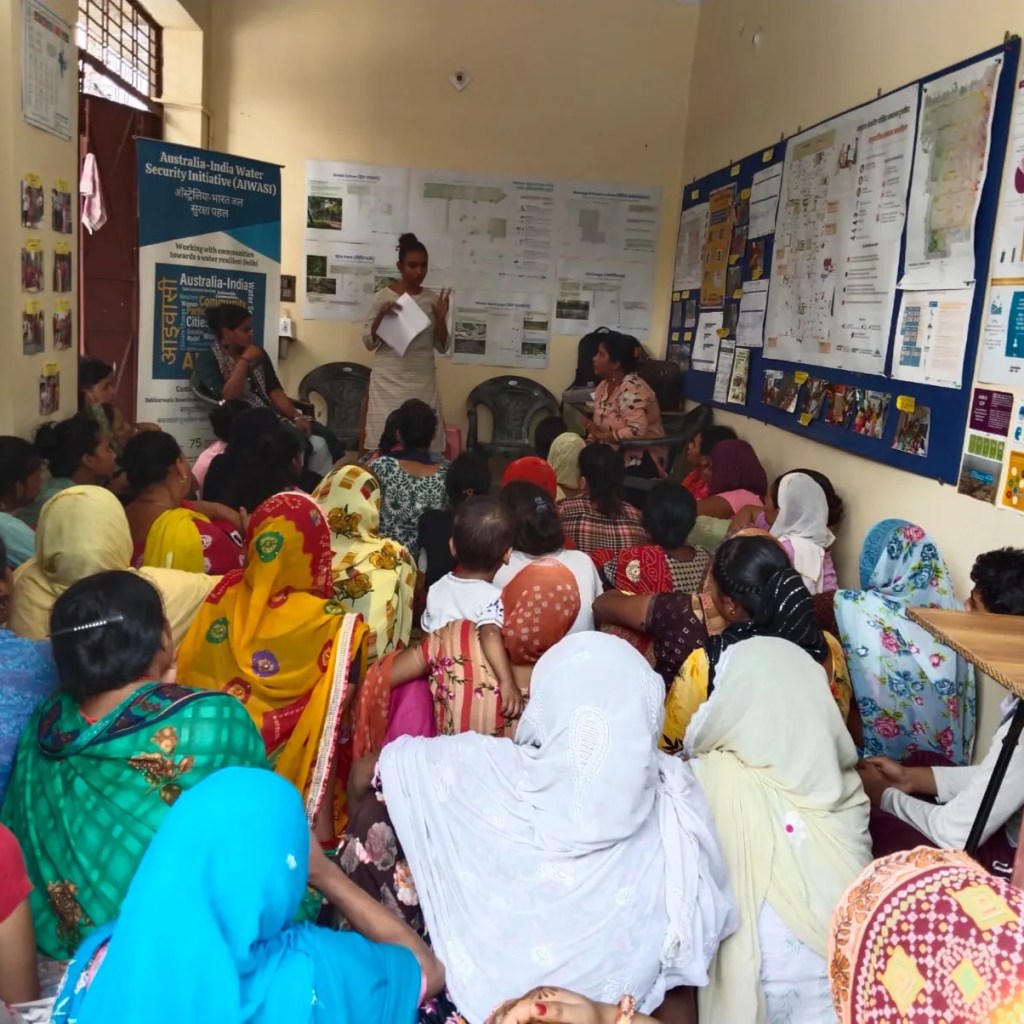
Meeting the community for the first time and explaining our vision to them
This context became increasingly important to me as the project progressed. It is easy to look at a neglected park and ask why the community does not take ownership of it. Why don’t they protect the plants? Why don’t they water them? Why don’t they care? But when people are preoccupied with securing their own food and water, and when livelihoods depend on finding work each day, caring for a green space can understandably feel like a luxury. I began to realize that the absence of ownership was not necessarily an absence of care. People have every right to prioritize their immediate needs.
At the time, however, I was simply excited about the possibility of transforming this neglected patch of earth into a thriving native forest ecosystem. My journey with G Block Park began with a shared vision between WRI and myself. We wanted to create a space that would not only enhance the environment but also strengthen the bonds within the community. We imagined a park with trees, healthier soil, better water management and, eventually, a sense of pride and belonging. It was a vision born of hope and enthusiasm, but as with any great endeavour, the road ahead was far more complex than it initially appeared.

Going around the various parks of JJ Colony, Bakkarwala to understand the gaps which were to be bridged
Delays plagued the project from the outset. The contract took longer than expected to finalize, and soon after my arrival in Delhi, I was hospitalized with dengue, setting the project back even further. Yet, as the pieces slowly fell into place, the day I met the community marked a turning point. Their eagerness to restore the park matched my own, and it was a day filled with optimism and hope. We explored the possibilities together, envisioning a future where the park could stand as a symbol of environmental stewardship and community pride.
However, the challenges soon became apparent. While we had secured the community’s consent, we had underestimated the complex web of local politics surrounding the park. Our naïveté led us to believe that our intentions would be met with open arms. Reality, however, had other plans.
There were people who felt that the park belonged to them, not necessarily in any formal sense, but in the way people can develop a sense of ownership over a public space when they have been using or controlling it for years. There were many obstacles along the way, some bureaucratic, some logistical and some deeply political. At one point, I had to pick a fight with a local politician who was openly opposing our work. There was also a particularly tense encounter with the local counselor, who confronted me directly and threatened to disrupt our work and create further chaos. Another local politician, initially skeptical of the project, began publicly opposing it, and their influence within the community stirred further resistance.
It was a strange position to find myself in. I had come to Delhi to work with soil, water and plants, and suddenly I was having to defend the right to restore a public park. The project had become a struggle over a piece of public space and who had the right to decide what happened there.
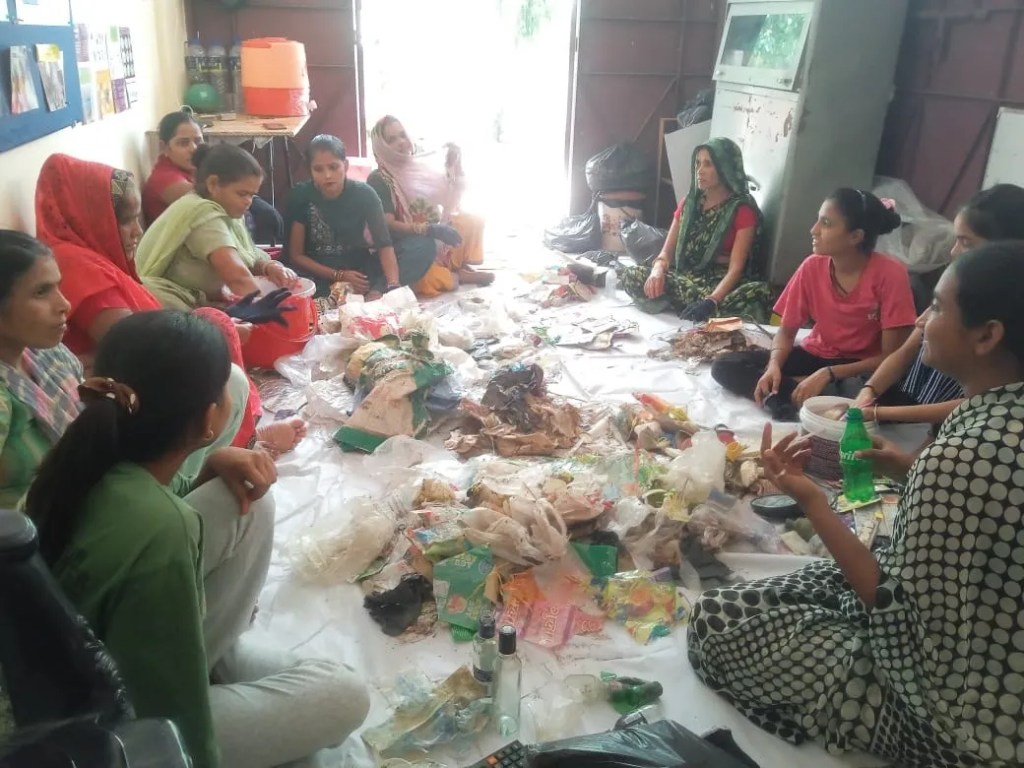
Post Park Cleanup, segregating, cleaning, drying and sorting waste
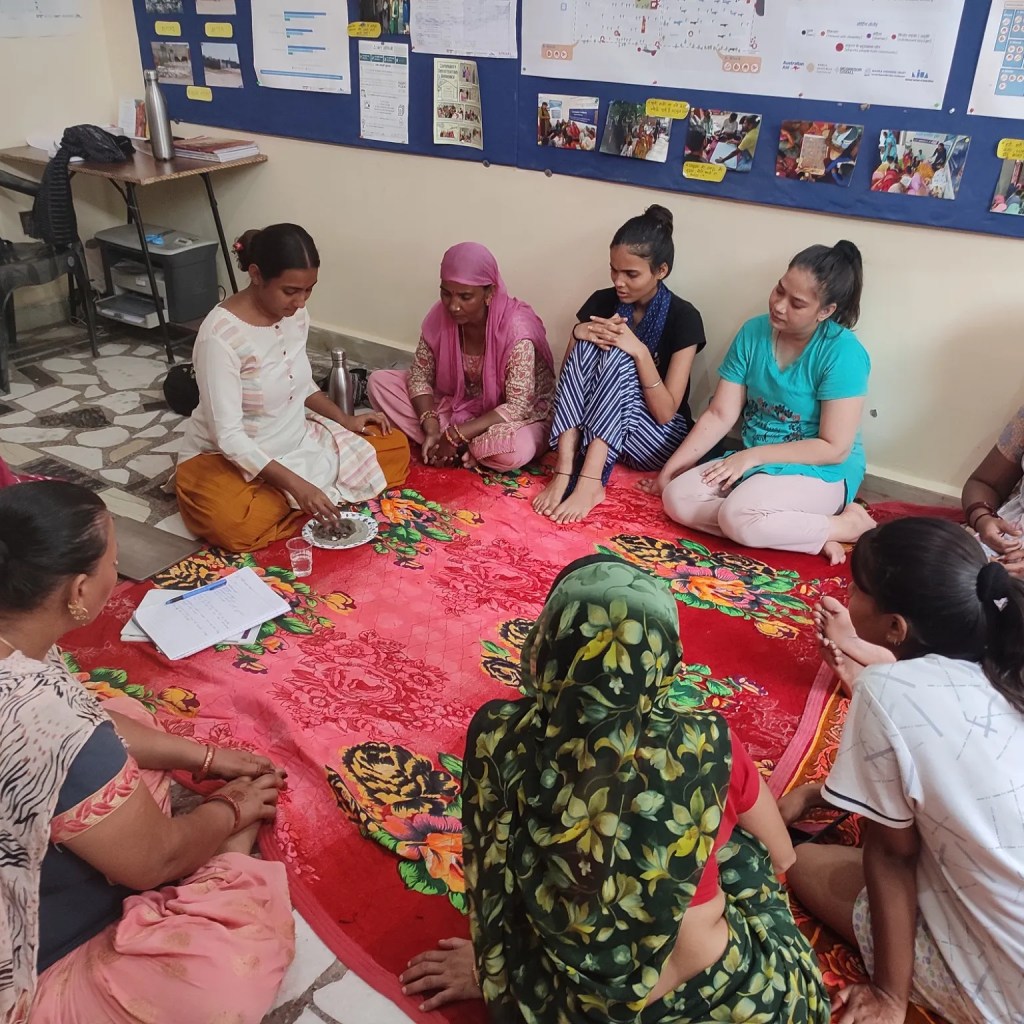
A community workshop on soil, understanding soil with and without life
Amidst the turbulence, our workshops with the community became beacons of connection and understanding. These were not merely educational sessions. They were opportunities to exchange knowledge and to understand the community in a way that would never have been possible simply by looking at the park. We delved into discussions on water conservation, soil health and traditional practices, and I found myself learning as much as I was sharing.
Around 98% of the participants were women, and they gradually became the backbone of the project. Their wisdom, strength and willingness to engage were remarkable. It was during these workshops that I realized the true potential of the community. There was already so much knowledge and resilience here; what was needed was a way to bring it into the restoration process.

Determining the slope of the park
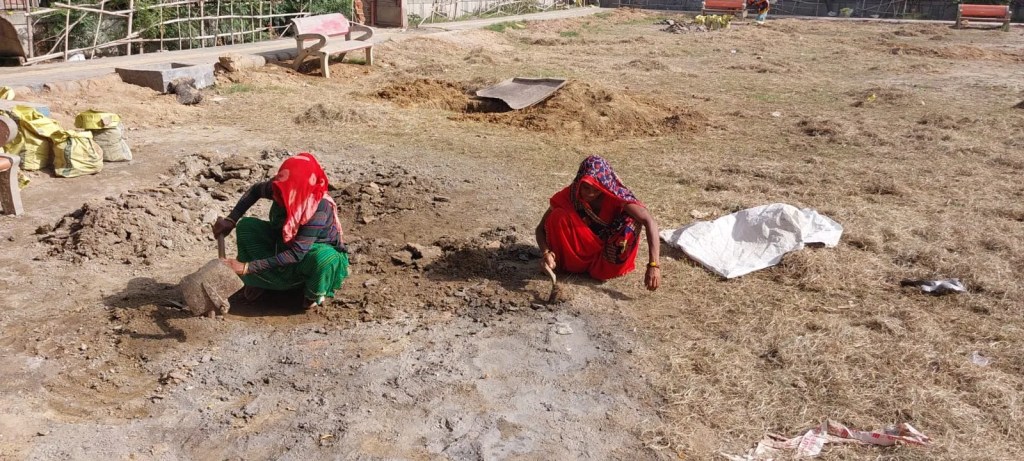
Working on removing any concrete / other debris from the ground
In July 2023, we began the work. We spent over a month on soil rejuvenation and rainwater harvesting systems before planting nearly 300 plants. We erected bamboo fences, and the women who had been trained through the project worked directly on the land. They touched the soil, mixed it with charcoal and cow urine, planted trees and mulched the ground. They worked tirelessly under the hot sun, nurturing each plant with a dedication that was both humbling and inspiring.
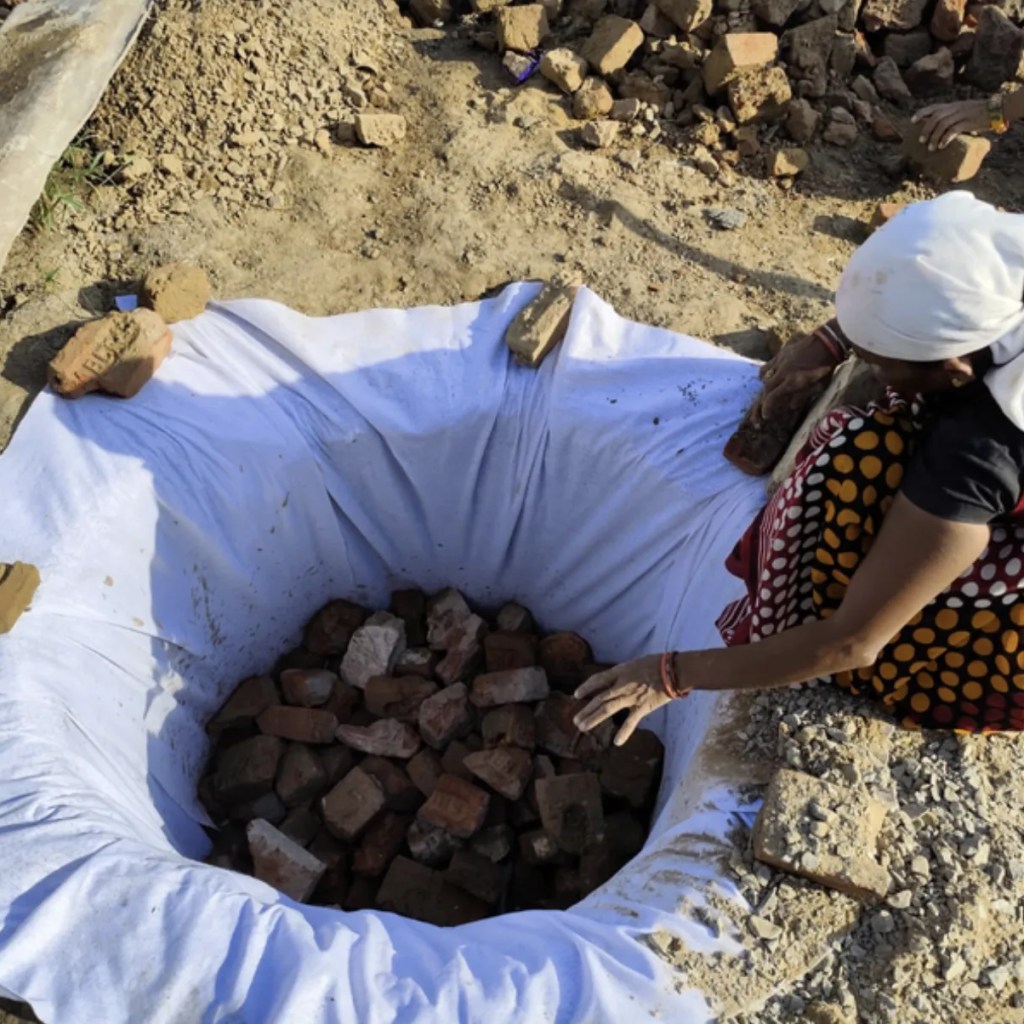
Setting up small water recharge sumps on the ground
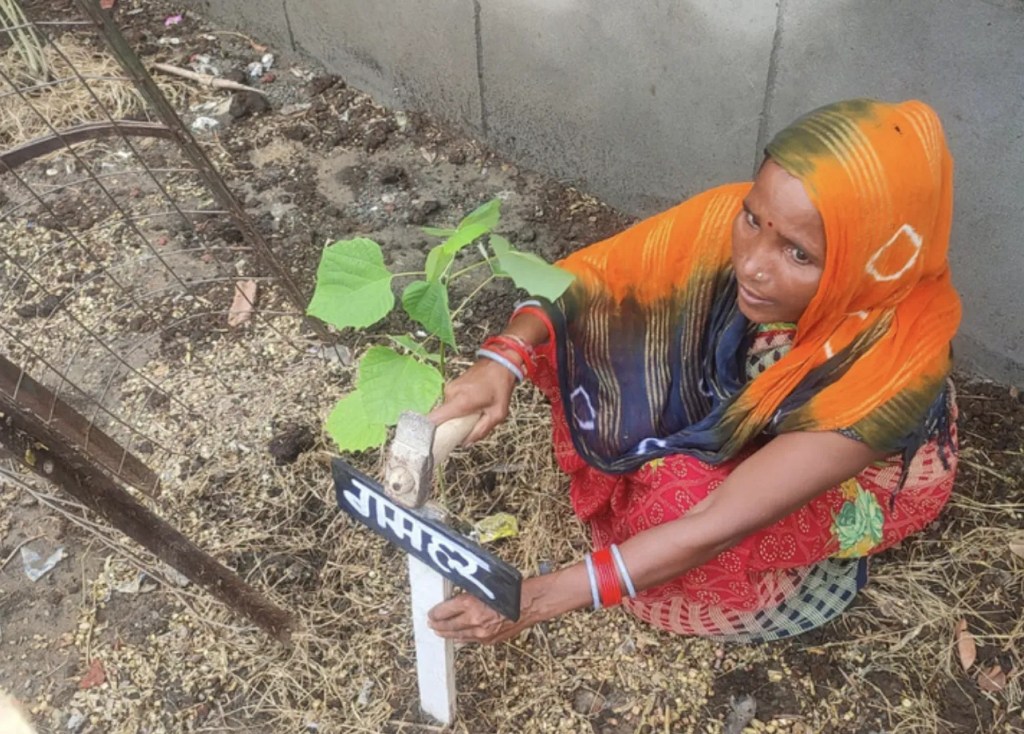
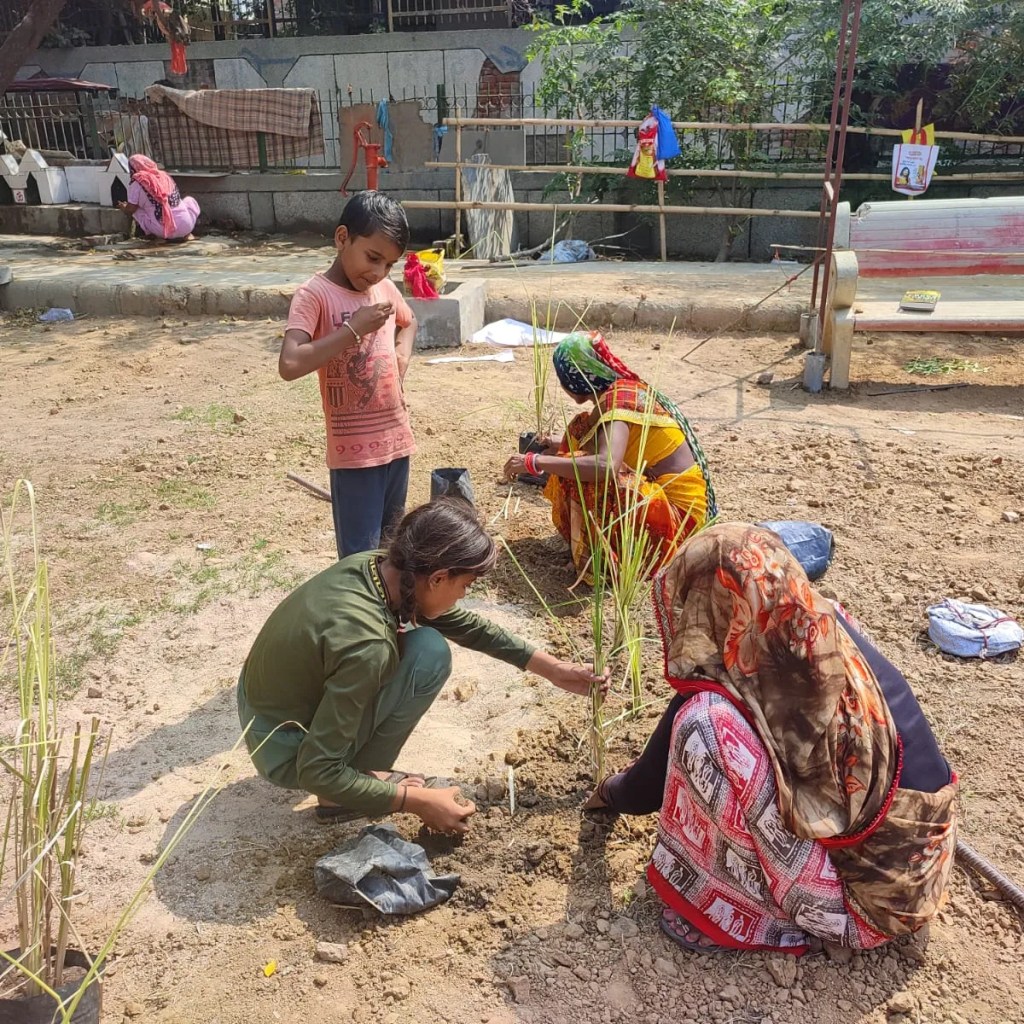
Planting of native trees around the periphery; Planting of vetiver around the recharge pits
But the implementation phase tested our resolve in ways we had not fully anticipated. Water was limited, vandalism became a constant threat, and the bamboo fences were repeatedly damaged. Plants were lost, work had to be redone, and bureaucratic roadblocks made every step forward feel like a battle. The women themselves faced verbal attacks and resistance, not just from passersby but at times from the very people who should have been our allies. Yet they continued to show up and work.
By December 2023, approximately 40 plants had survived. That was a sobering reminder of how difficult restoration can be. We had planted nearly 300 plants, but without consistent water, protection and maintenance, most of them could not survive. And in a place where water for households was already difficult to secure, this was never going to be a simple problem to solve.

Looking at the 40 remaining plants in December 2023
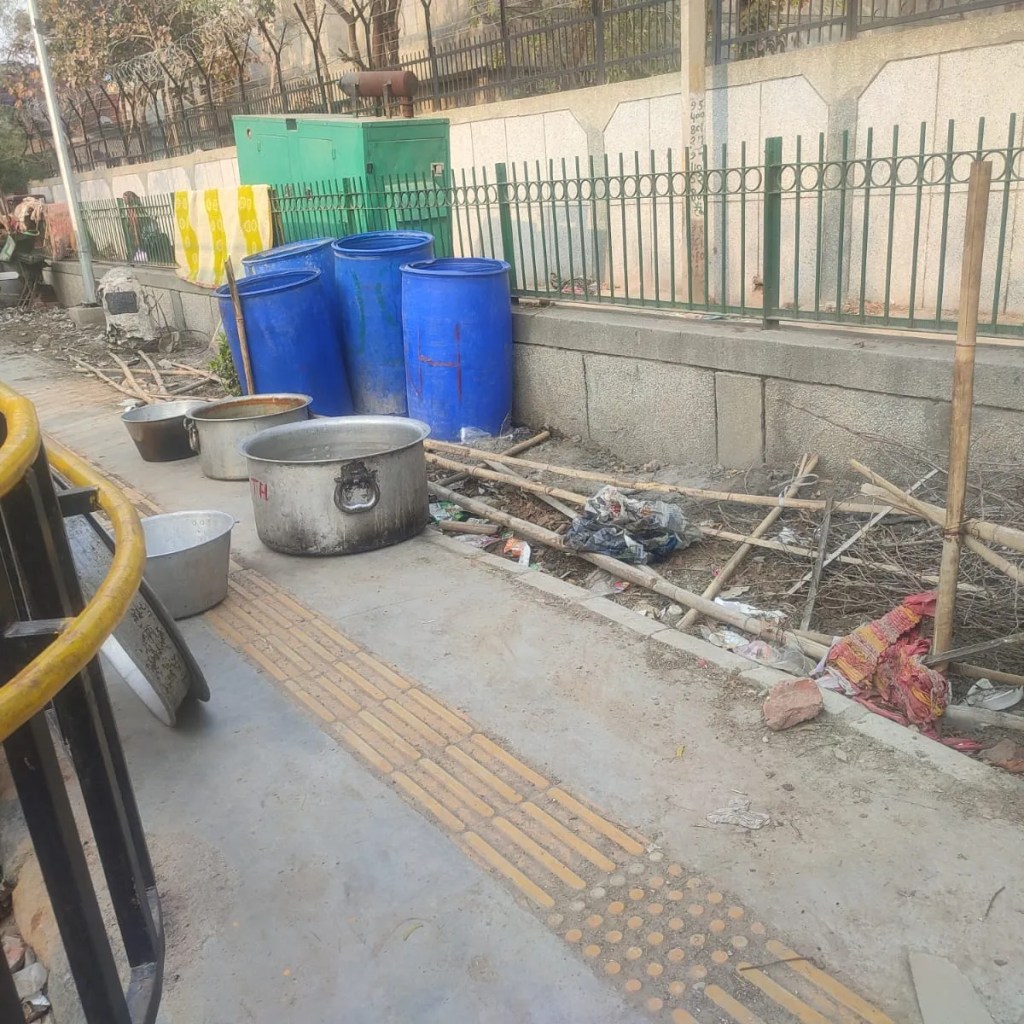
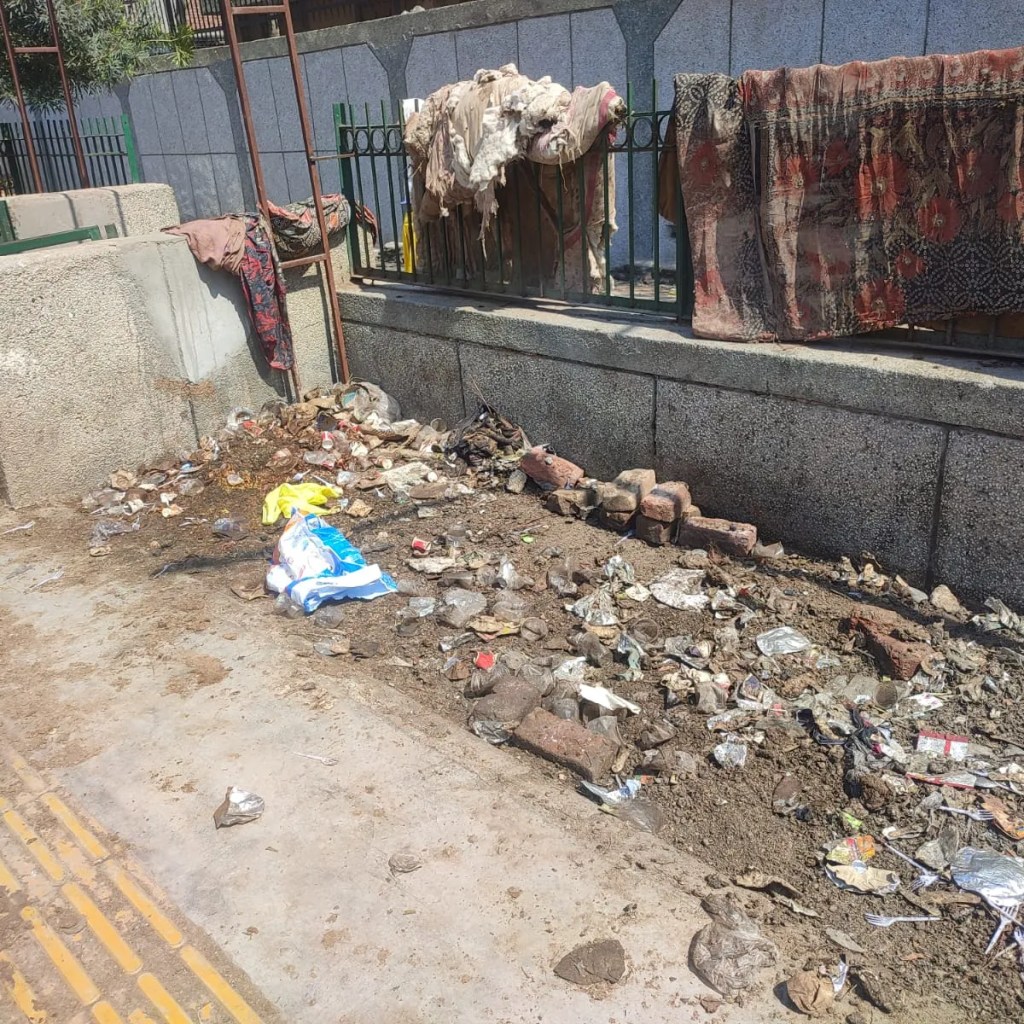
Park in March 2024, as a result of vandalism and illegal events hosting
March 2024 brought a much harsher reckoning. The park was in disarray, and out of nearly 300 plants, only four remained. It was heart-wrenching to see. I knew how much had gone into those plants: the soil preparation, the watering, the fencing, and the hours the women had spent working under the hot sun. To see almost all of it disappear was difficult to accept. We could have walked away and accepted that the project had failed, but somehow those four plants made that impossible. They were still alive, and that was enough reason to try again.
This time, we approached the problem with everything we had learned from the first attempt. Through persistence, we reached the Chief of Horticulture, who listened to our concerns and recognized the importance of the work. His intervention became another turning point. A gardener was appointed, and the necessary supplies and support were finally made available. We replanted, added a chain-link fence to provide stronger protection, and worked to establish a proper watering system.
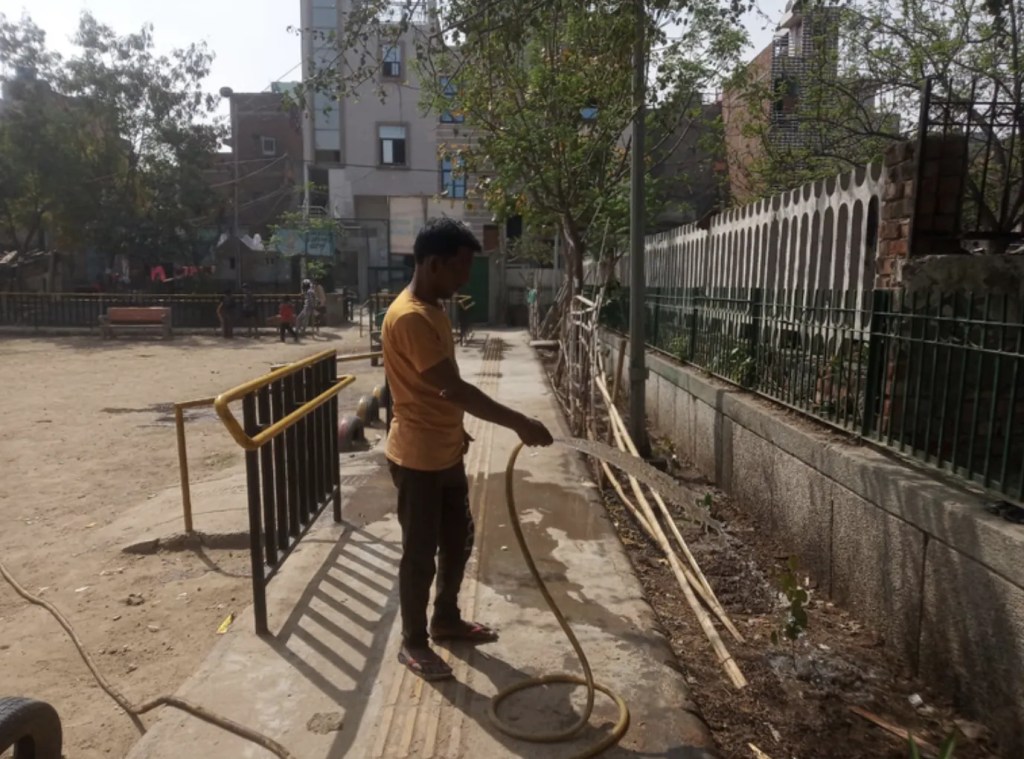
Appointment of a gardener from Horticulture Department, fixing of the water problem and maintenance of park started from March 2024
We also had to be inventive with the resources available to us. The park had a handpump and light poles, but no boreholes could be installed because of the NGT’s ruling against new borewells. We connected a motor to the handpump and used electricity from the park lights to operate it, after obtaining the necessary government permission. It was not a grand technological solution, but after watching so many plants die because of inadequate watering and vandalism, it felt like a significant victory.
With a gardener caring for the park every day, stronger fencing, a functioning watering system and renewed institutional support, the second phase began to take shape. The plants we added were given a much better chance of survival, and slowly, the park began to recover.
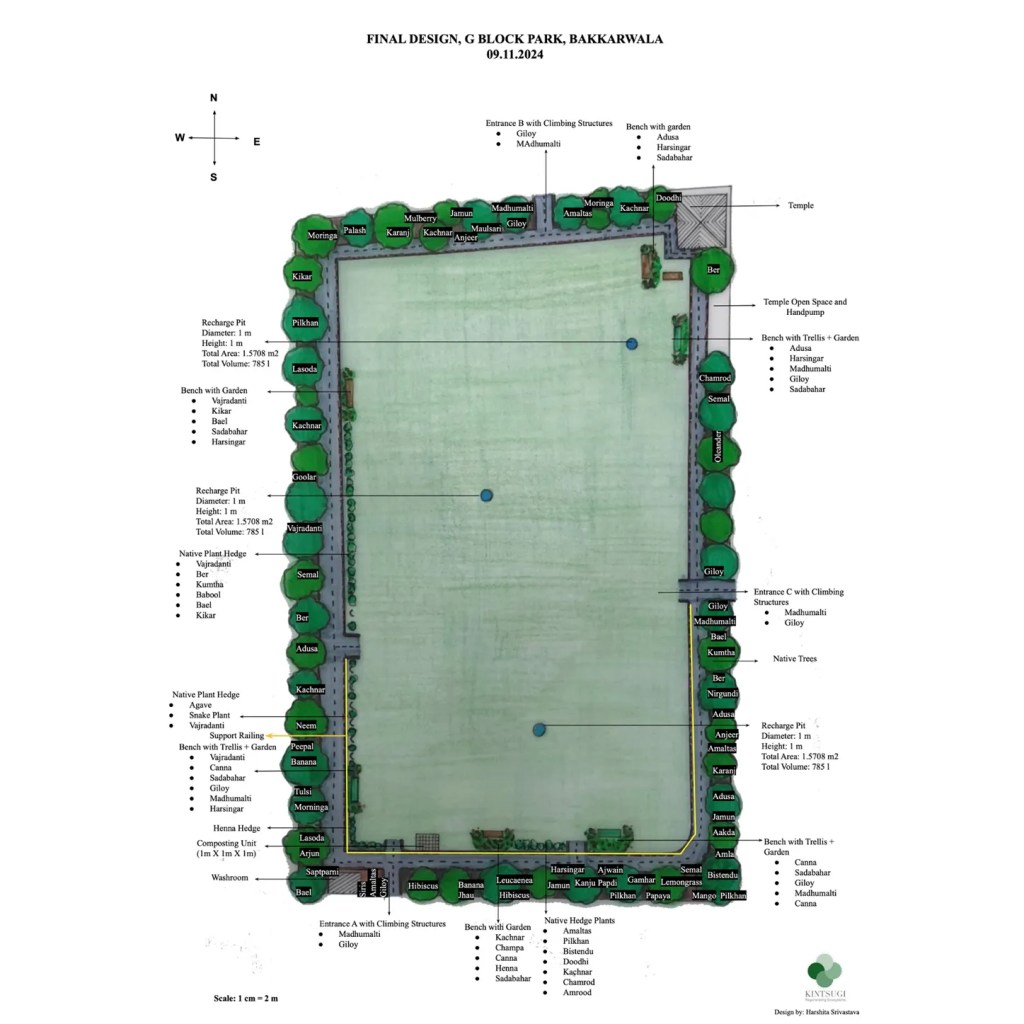
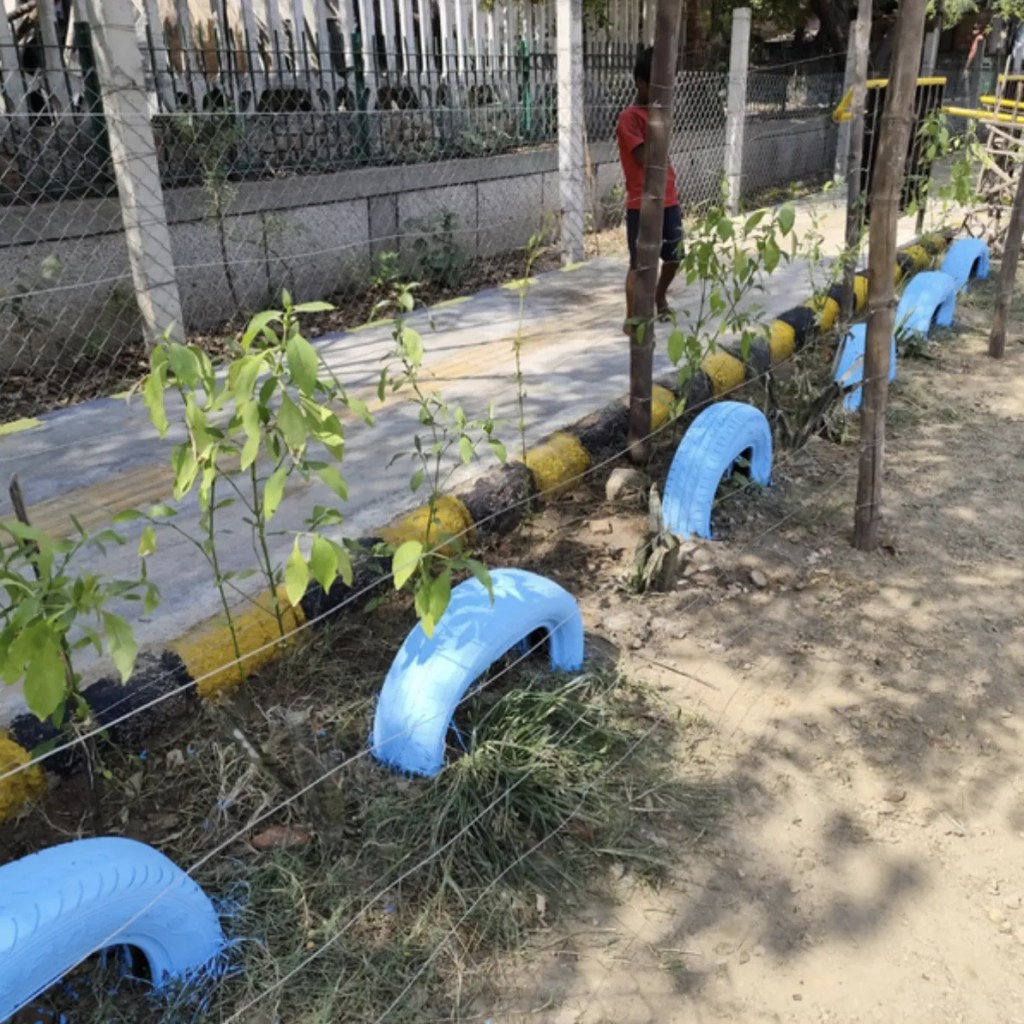
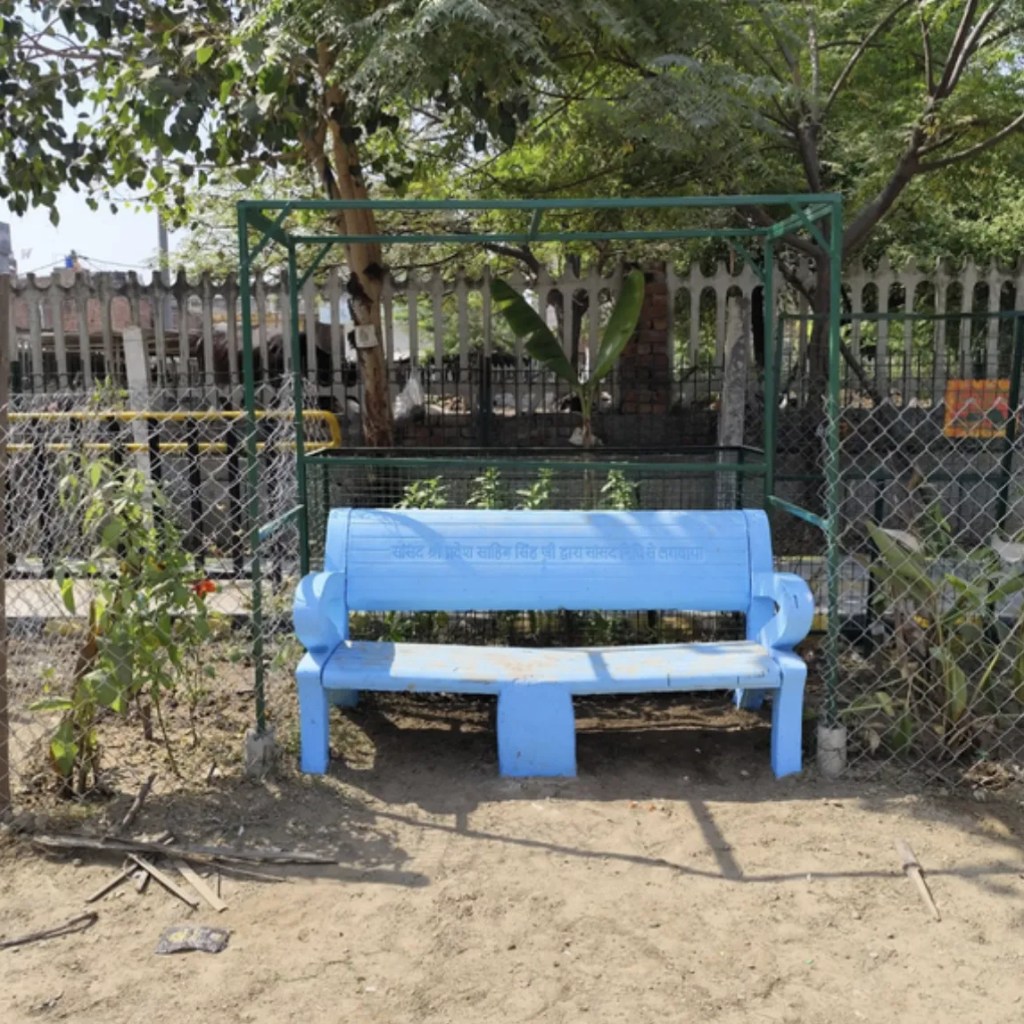
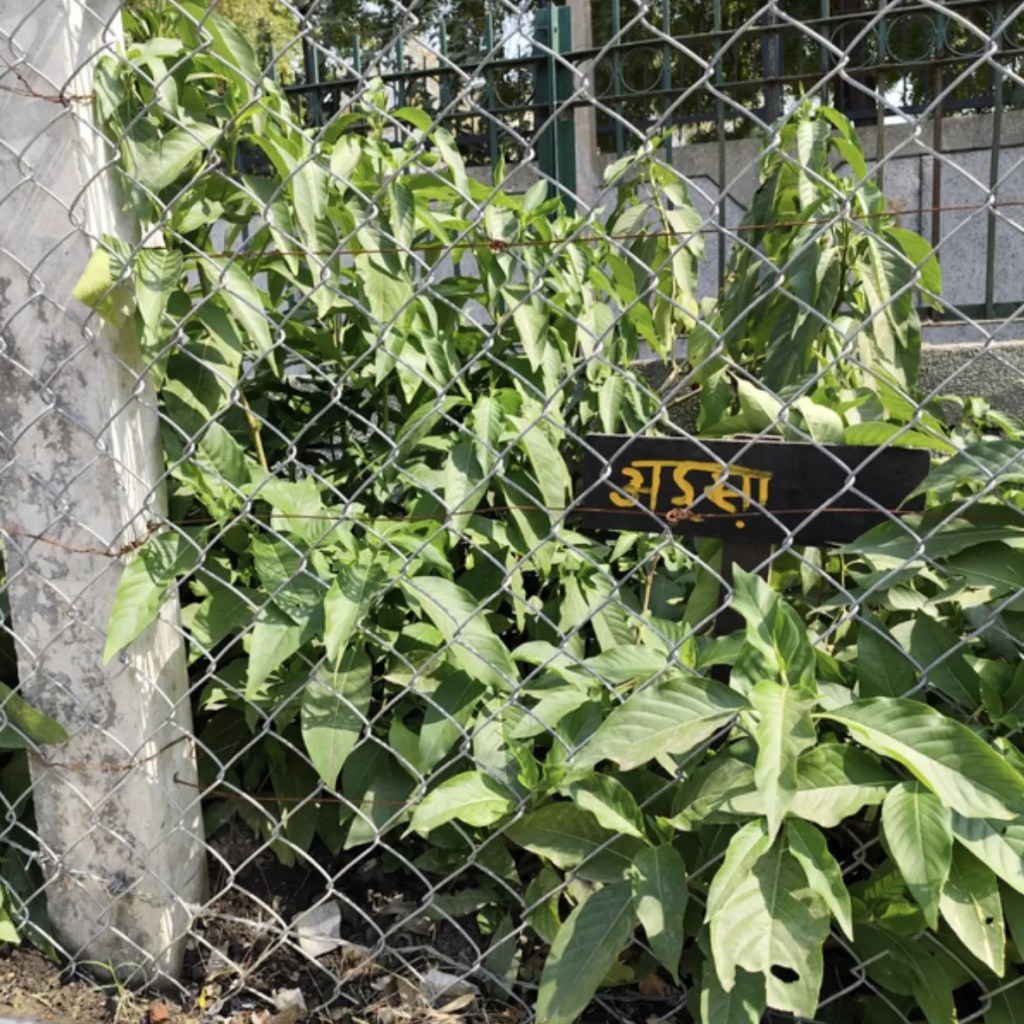
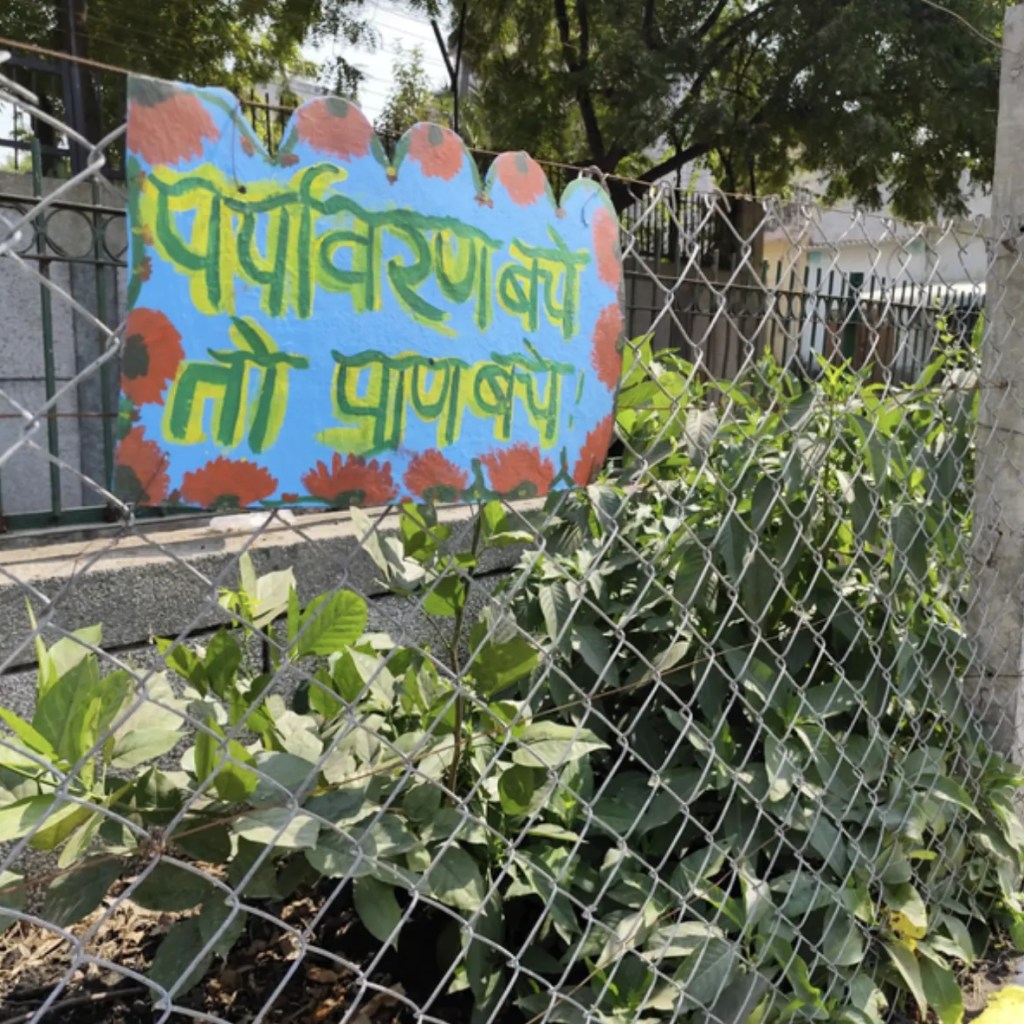
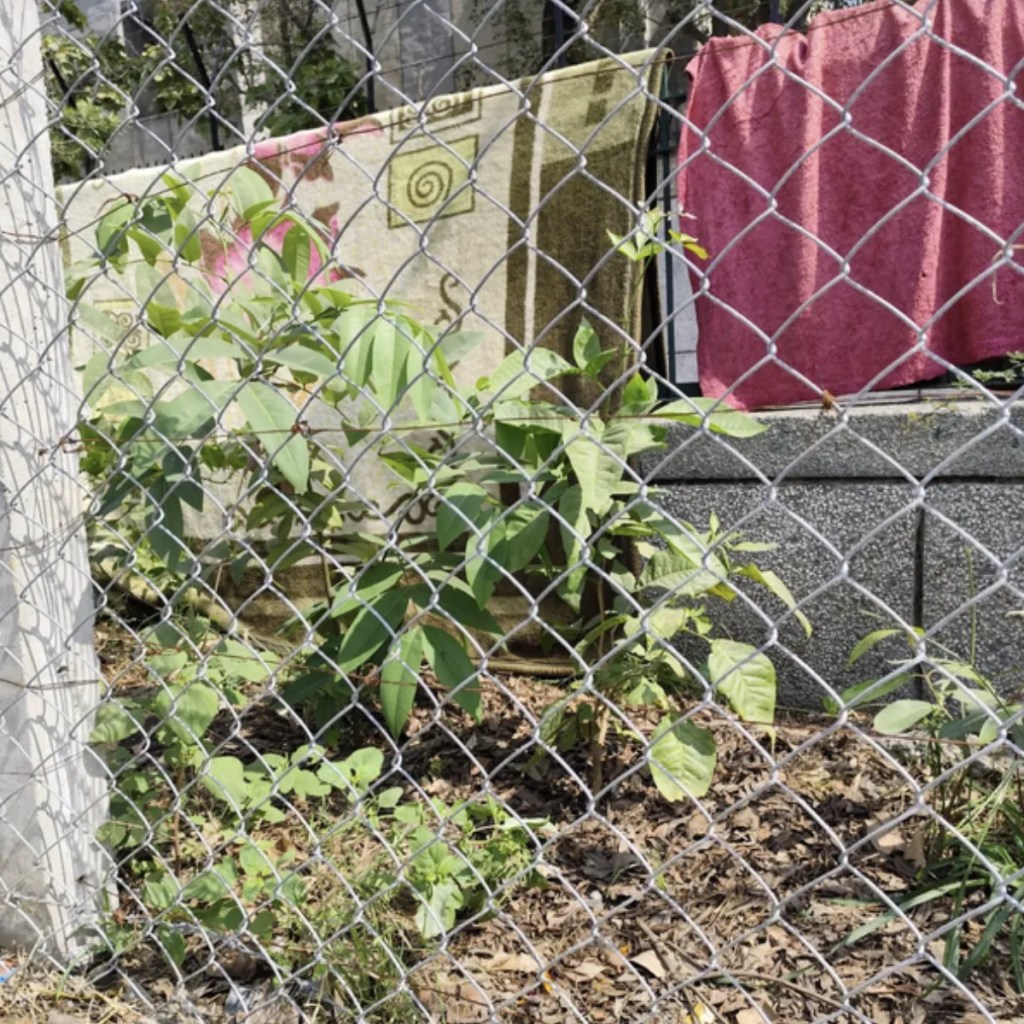
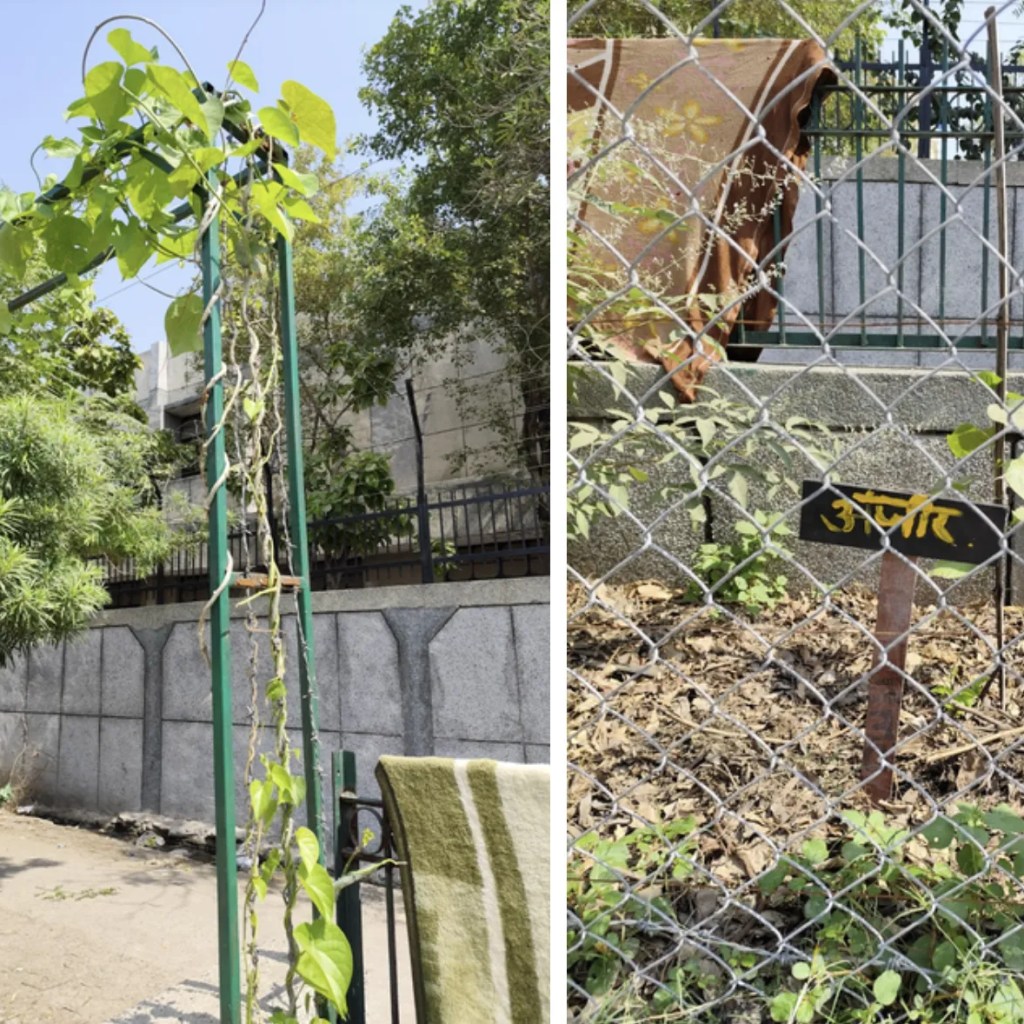
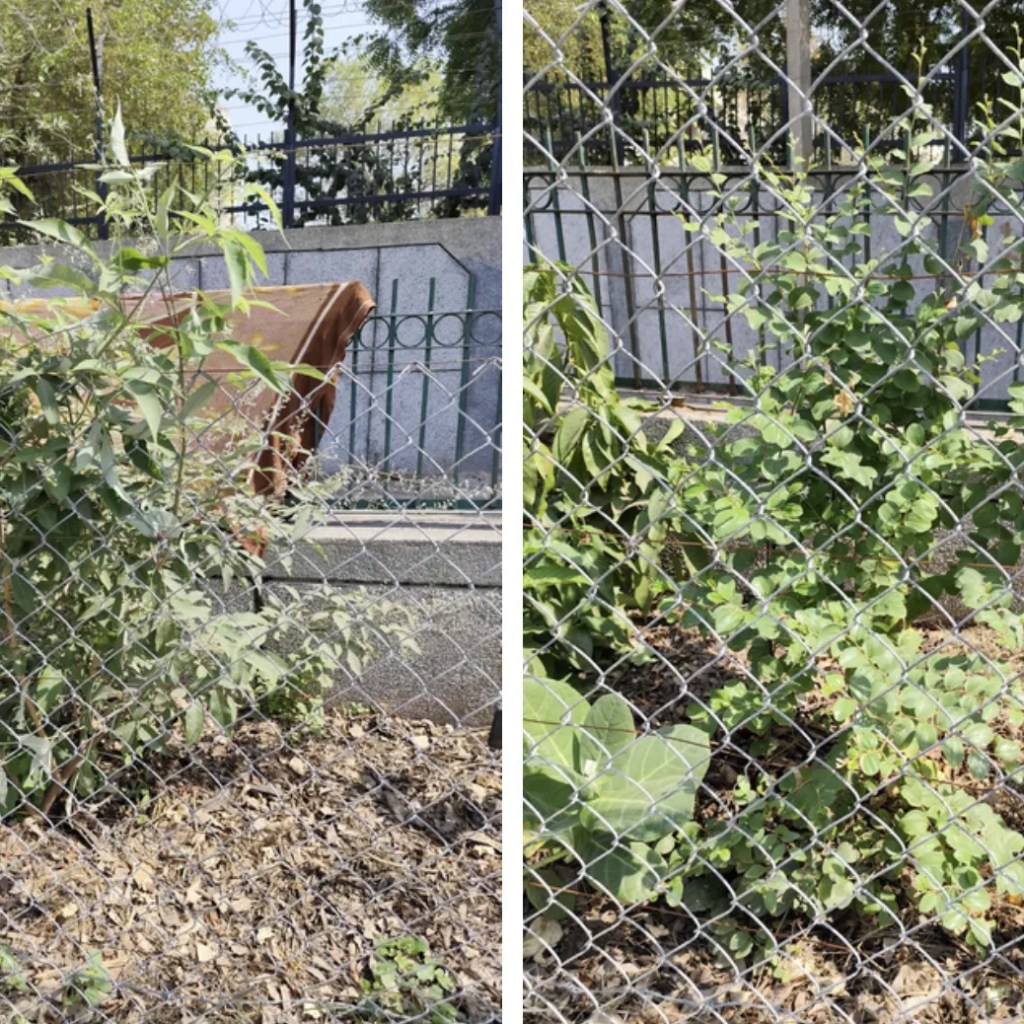
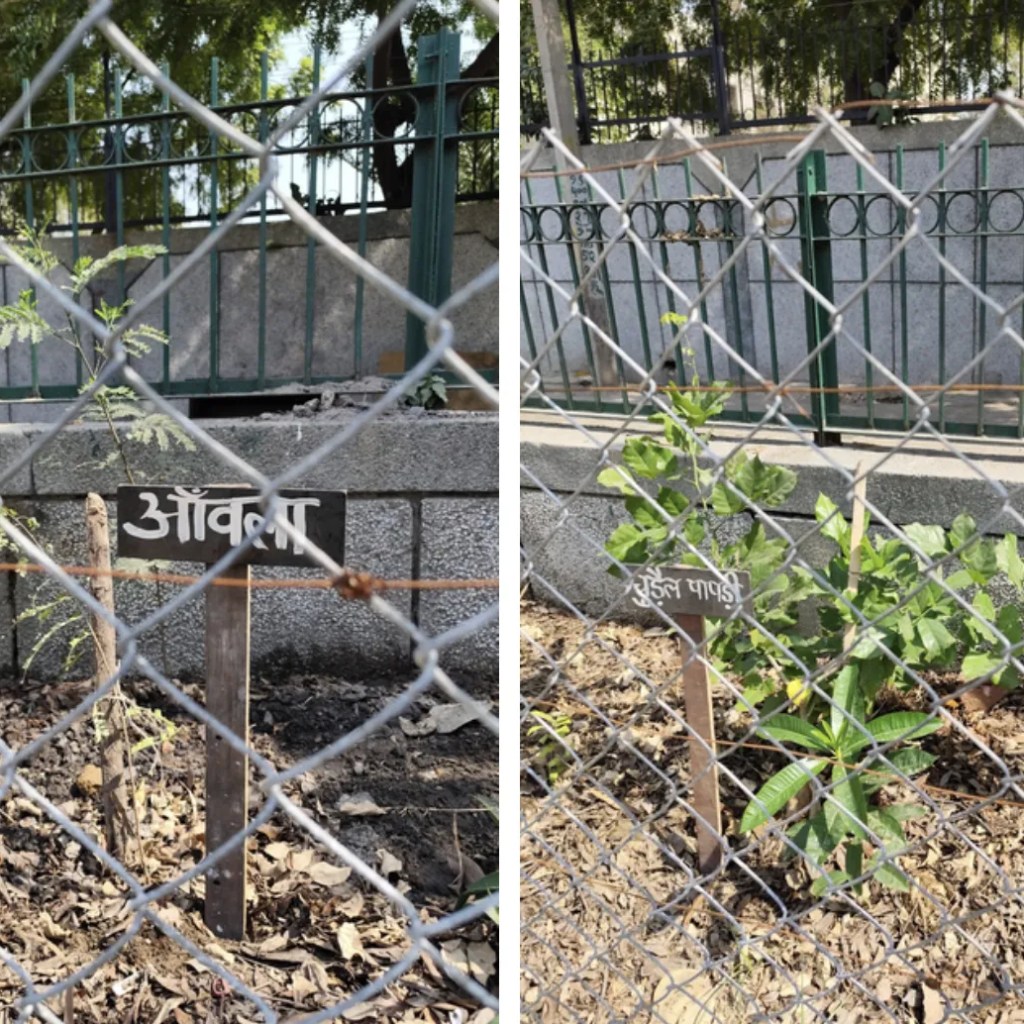

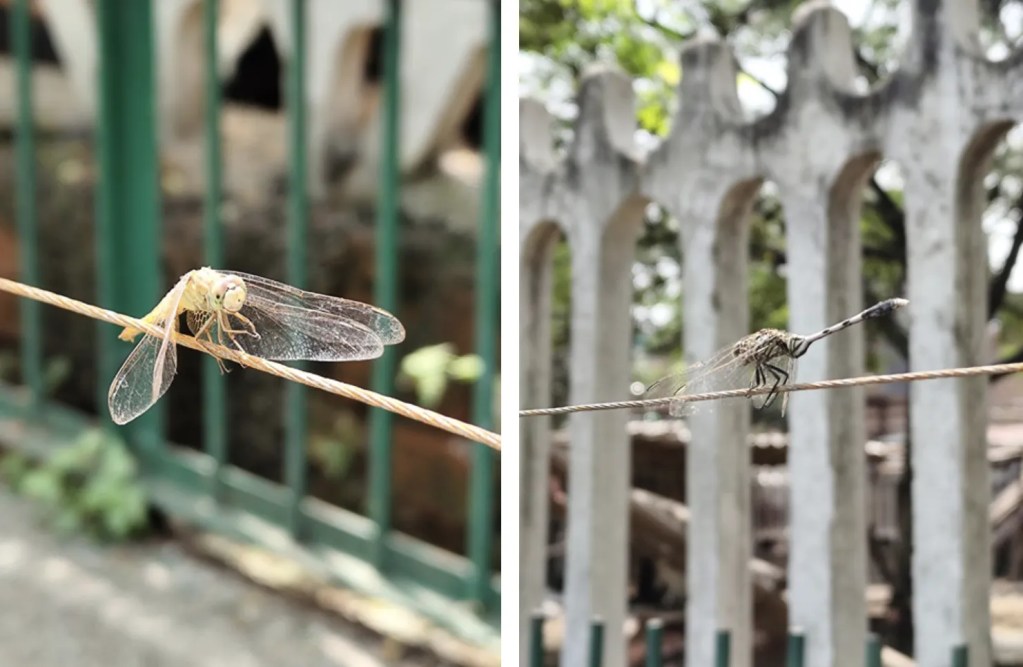
Plants and biodiversity of the park, October 2023 before the handover
By October 2024, I handed over the project to the government. It was a strange and satisfying moment. After spending so much time fighting for the park, it was difficult to step back and know that its future was no longer in my hands. But that is also part of restoration. At some point, a project has to move beyond the person who initiated it and become the responsibility of the institutions and people who will live with it.

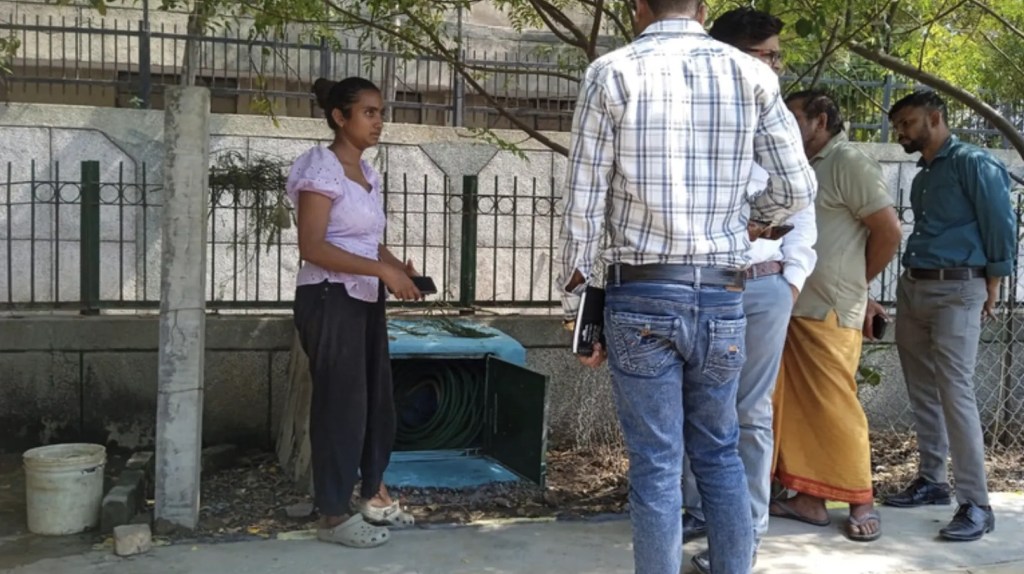
Handover of the park to theHorticulture Department; informing them of all the interventions and guidelines for future maintenance
Even after the formal handover, I continued visiting the park every few months until March 2025 in an advisory and reporting capacity. I met with the community, observed the condition of the plants and reported back to WRI on the status of the park.
Surprisingly, a lot of the area was still green.

Park Condition in November 2024, one month after the handover
That gave me a quiet sense of satisfaction. After everything that had happened, it was reassuring to see that the second effort had taken hold and that the park seemed to have a chance of continuing without us.
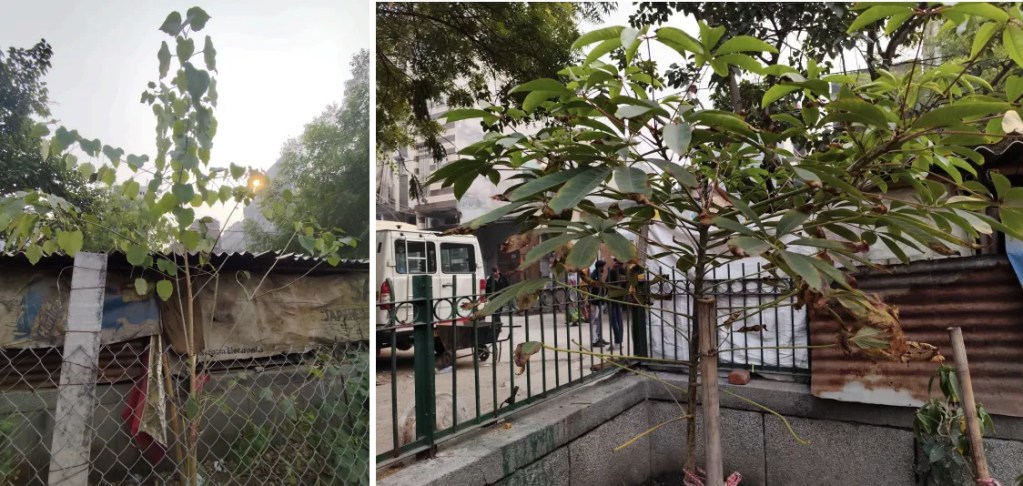
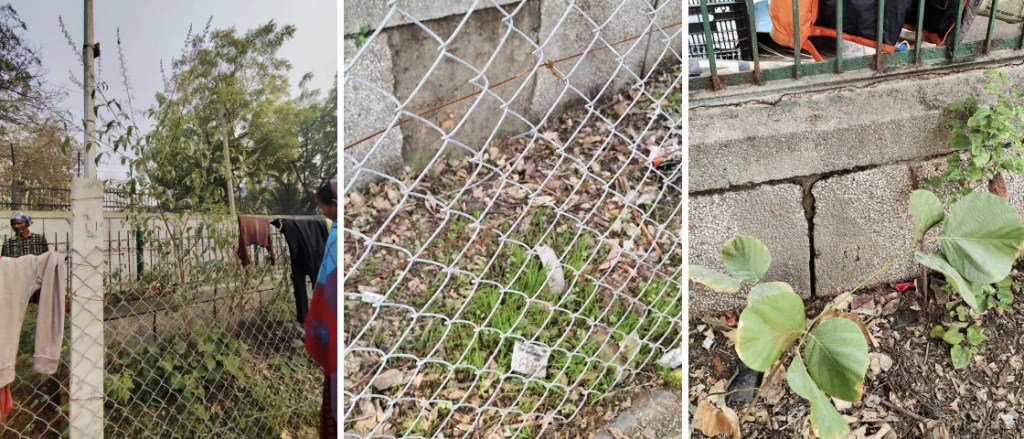
More than 70% of the plants had survived in January 2025

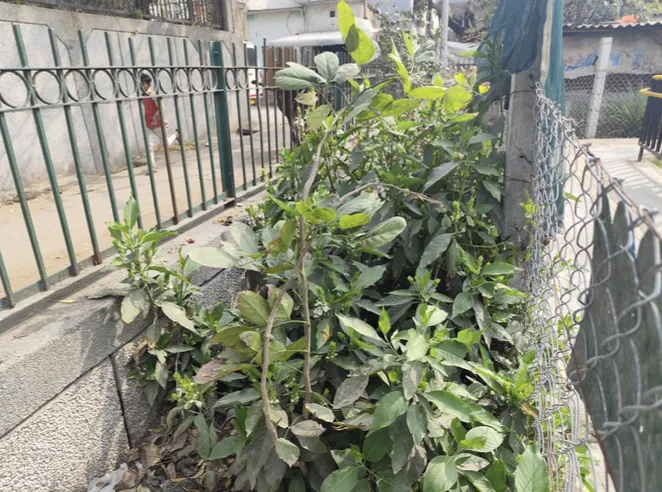
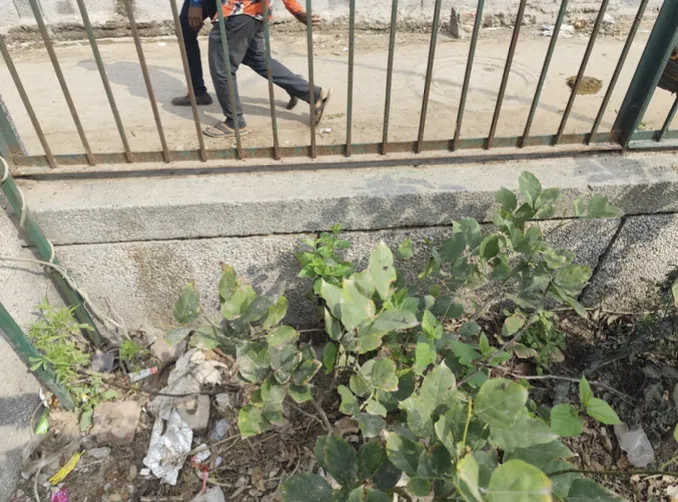
As of March 2025, more than 70% of the plants had survived though the park looked shabbier because of no maintenance and vandalism
Now, more than a year has passed since I last visited G Block Park, and I find myself wondering about it. I wonder whether the plants are still there, whether the trees have grown, whether the gardener is still caring for them and whether the systems we worked so hard to put in place are still functioning.
There is something strange about leaving a place after having fought so hard for it. For so long, I was involved in every small detail, trying to solve one problem after another. Eventually, however, there comes a point when you have to step back and let the place find its own way.
I still cannot judge the community for what happened to the park. I know that when people are struggling with food, water and livelihoods, a green space will not always be their first priority. Perhaps that understanding is one of the most important things the project taught me.
I strongly believe that some things just need more love, care and a refusal to give up. We lost almost everything once and started again. Perhaps that is what resilience really is, not ensuring that nothing is ever lost, but being willing to begin again.
I don’t know what G Block Park looks like today. Perhaps the plants have survived. Perhaps they haven’t.
But I hope that somewhere in Bakkarwala, those plants are still growing.